Politics & Social Sciences
Top 15 in Politics & Social Sciences
Week of October 12, 2026
Top 15 in Politics & Social Sciences
Week of October 12, 2026

by Clair Wills
Where previous histories of Ireland in the war years have focused on high politics, That Neutral Island mines deeper layers of experience. Stories, letters, and diaries illuminate this small country as it suffered rationing, censorship, the threat of invasion, and a strange detachment from the war.
by Karl Polanyi
In this classic work of economic history and social theory, Karl Polanyi analyzes the economic and social changes brought about by the "great transformation" of the Industrial Revolution. His analysis explains not only the deficiencies of the self-regulating market, but the potentially dire social consequences of untempered market capitalism. New introductory material reveals the renewed importance of Polanyi's seminal analysis in an era of globalization and free trade.

by Ellen Seiter
Based on four years of experience teaching computers to 8-12 year olds, media scholar Ellen Seiter offers parents and educators practical advice on what children need to know about the Internet and when they need to know it. The Internet Playground argues that, contrary to the promises of technology boosters, teaching with computers is very difficult. Seiter points out that the Internet today resembles a mall more than it does a library. While children love to play online games, join fan communities, and use online chat and instant messaging, the Internet is also an appallingly aggressive marketer to children and, as this book passionately argues, an educational boondoggle.
by Leslie A White
Provides information on the anthropology of modern capitalism. Drawing out on classic formulations of social organization, cultural evolution, and the relationship between technology, ecology, and culture, this work traces an expanse of history from the earliest forms of capitalism to the inner workings of contemporary democratic institutions

by Michael Pollan
The Instant New York Times Bestseller "Pollan’s real genius—the word is not too strong—remains intact. That is his uncanny ability to scent the direction in which the culture is headed. He did it with food and psychedelics, and now, though A World Appears focuses on AI only intermittently, he has done it again." —Charles Finch, The Atlantic From the #1 New York Times bestselling author of How to Change Your Mind, a panoptic exploration of consciousness—what it is, who has it, and why—and a meditation on the essence of our humanity When it comes to the phenomenon that is consciousness, there is one point on which scientists, philosophers, and artists all agree: it feels like something to be us.

by Michael Dillon
Annotation Michael Dillon challenges the dominant paradigm on which the theory of international relations is based. Looking back and considering Greek tragedy and the ideas of Heidegger, he offers us insights into how we understand security and insecurity.

by Jeff Singleton
Singleton examines the origins and implementation of the first federal welfare programs in the early 1930s. Based on his extensive research in the archives of federal welfare agencies, Singleton seeks to link the expansion and federalization of relief with recent efforts to reform "welfare."

by Sasha Issenberg
Journalist Sash Issenberg traces sushi's journey from Tokyo street snack to global delicacy, in this fascinating history. Issenberg examines not just the foodstuff itself, but the history, economics and businesses behind the famous fish recipes. It covers topics including the birth of modern sushi, the mysterious underworld of pirates and the tuna black market, Nobu Matsuhisa and what sushi chefs really do behind the bar. It jumps from Mediterranean docks to tuna-auctions to cargo holds to Shanghai streets, all the while making a surprising case against eating local.

by A. L. Dallapiccola
Hindu myths have been adapted over the centuries to incorporate new or revised characters, and they continue to play a central role in modern Indian life. Retold here in their colorful and dramatic splendor, the Hindu myths touch on the key narrative themes of creation, preservation, destruction, delusion, and the bestowal of grace.
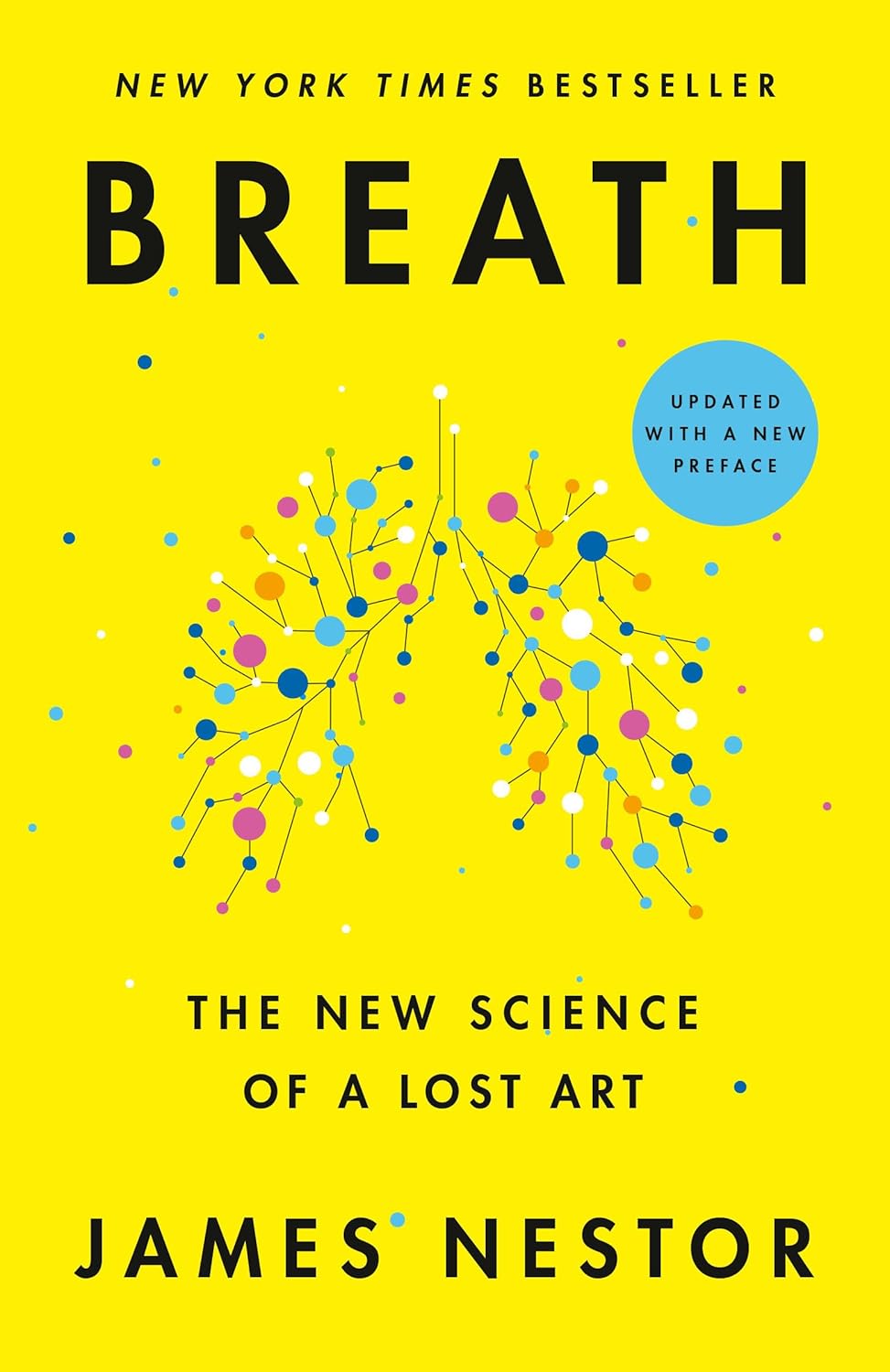
by James Nestor
NOW IN PAPERBACK – THE MILLION COPY NEW YORK TIMES BESTSELLER, FEATURING NEW MATERIAL "I highly recommend this book." —Wim Hof “A fascinating scientific, cultural, spiritual and evolutionary history of the way humans breathe—and how we’ve all been doing it wrong for a long, long time.” —Elizabeth Gilbert "This book is amazing. “ —Joe Rogan No matter what you eat, how much you exercise, how skinny or young or wise you are, none of it matters if you’re not breathing properly. There is nothing more essential to our health and well-being than breathing: take air in, let it out, repeat twenty-five thousand times a day. Yet, as a species, humans have lost the ability to breathe correctly, with grave consequences. Journalist James Nestor travels the world to figure out what went wrong and how to fix it. The answers aren’t found in pulmonology labs, as we might expect, but in the muddy digs of ancient burial sites, secret Soviet facilities, New Jersey choir schools, and the smoggy streets of São Paulo. Nestor tracks down men and women exploring the hidden science behind ancient breathing practices like Pranayama, Sudarshan Kriya, and Tummo and teams up with pulmonary tinkerers to scientifically test long-held beliefs about how we breathe. Modern research is showing us that making even slight adjustments to the way we inhale and exhale can jump-start athletic performance; rejuvenate internal organs; halt snoring, asthma, and autoimmune disease; and even straighten scoliotic spines. None of this should be possible, and yet it is. Drawing on thousands of years of medical texts and recent cutting-edge studies in pulmonology, psychology, biochemistry, and human physiology, Breath turns the conventional wisdom of what we thought we knew about our most basic biological function on its head. You will never breathe the same again.

by Paul R. Krugman
A respected economist shares a collection of his columns from "The New York Times" that analyzes the course of the American economy, looking at the collapse of fiscal responsibility, corporate scandals, and how the nation can get back on track.
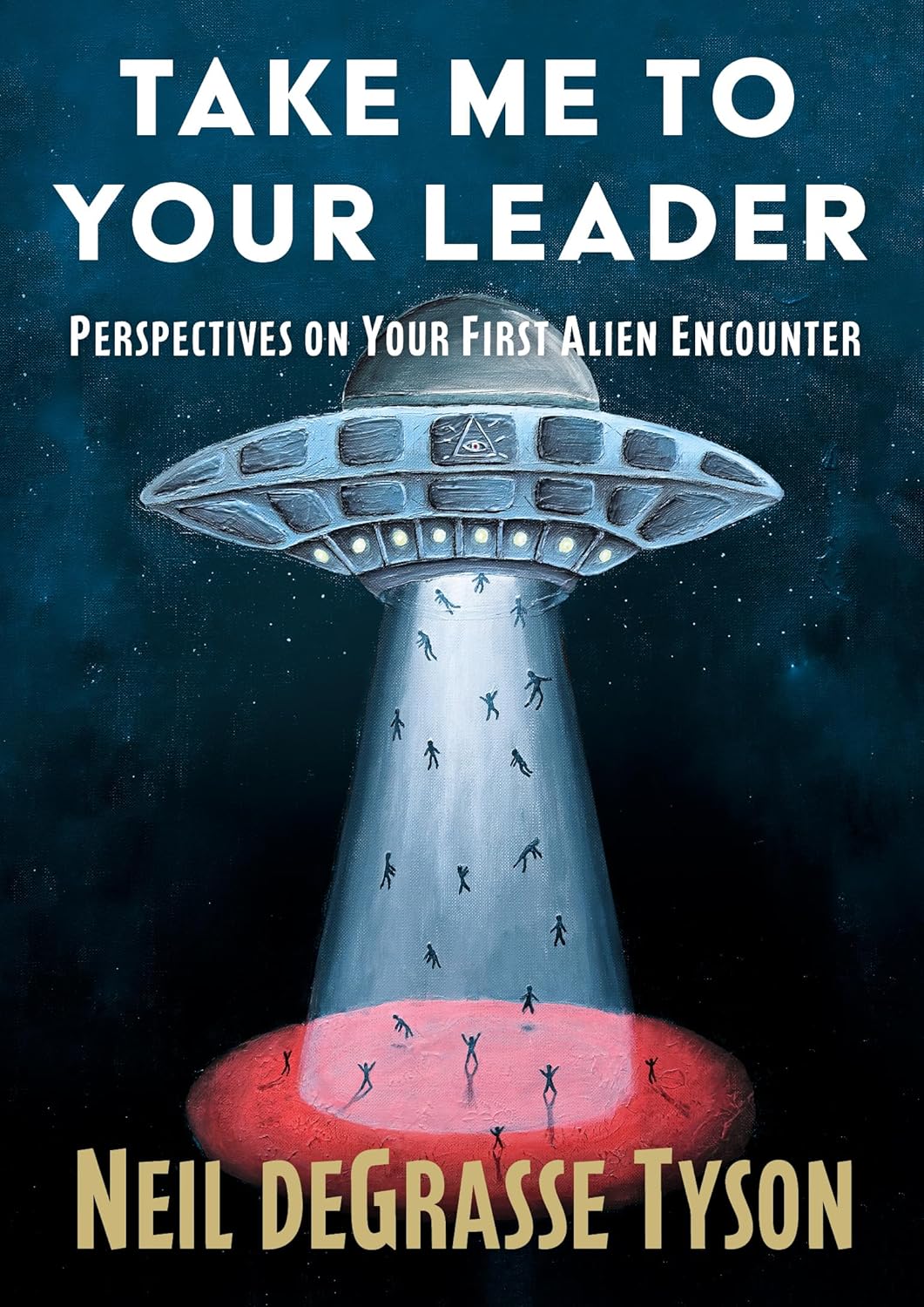
by Neil deGrasse Tyson
The culmination of a lifetime of fascination and speculation, Tyson applies the universal laws of physics to make the case for what aliens might look like, act like, how they might travel, what they might think. Should such an event occur, Tyson offers useful etiquettte tips for your first close encounter.

by Justin A. Frank
A renowned Washington, D.C.-based psychoanalyst examines George W. Bush's public persona and asks serious questions about whether he's fit for the office he holds.
by David Fromkin
When war broke out in Europe in 1914, it surprised a European population enjoying the most beautiful summer in memory. For nearly a century since, historians have debated the causes of the war. Some have cited the assassination of Archduke Franz Ferdinand; others have concluded it was unavoidable. In Europe’s Last Summer, David Fromkin provides a different answer: hostilities were commenced deliberately. In a riveting re-creation of the run-up to war, Fromkin shows how German generals, seeing war as inevitable, manipulated events to precipitate a conflict waged on their own terms. Moving deftly between diplomats, generals, and rulers across Europe, he makes the complex diplomatic negotiations accessible and immediate. Examining the actions of individuals amid larger historical forces, this is a gripping historical narrative and a dramatic reassessment of a key moment in the twentieth-century.

by Pippa Norris
The belief that religion was dying became the conventional wisdom in the social sciences during most of the 20th century. However, religion has not disappeared and is unlikely to do so, and the secularization thesis needs updating. This text develops a theory of secularization and existential security.